 01 / LEARNING
TRACK / Beginner
Foundations of Space Science
A complete first tour of space science: how we know what we know about the Sun, the
planets,
the stars and the scale of the universe. No prior physics is needed.
Duration8 weeks
FormatLive online + self-paced
Study time4 to 5 h per week
FeesPublished when enrolment opens
SYLLABUS
- The scale of the universe
- Gravity, orbits and the laws of motion
- Light, spectra and telescopes
- The Sun and the Solar System
- Stars, their lives and deaths
- Galaxies and the expanding universe
- Reading the night sky
- Capstone: plan and log an observation
WHAT YOU WILL BE ABLE TO DO
Read an orbital diagram, observe confidently with binoculars or a small telescope, and
explain the core ideas of cosmology in plain language.
ENROLMENT
SPACE 1 Certificate of Completion on passing. Rolling intake, with new cohorts announced
to
registered learners.
REGISTER FOR THIS
TRACK
 02 / LEARNING
TRACK / Intermediate
Astronomy and Cosmology
From celestial coordinates to the cosmic microwave background. Learn the physics of stars
and galaxies and work with real survey data.
Duration10 weeks
FormatLive online
Study time5 to 6 h per week
FeesPublished when enrolment opens
SYLLABUS
- Coordinates, time and the observer’s sky
- Stellar structure and evolution
- Binary stars and variable stars
- The Milky Way and other galaxies
- Large-scale structure
- The Big Bang and the cosmic microwave background
- Dark matter and dark energy
- Capstone: analyse a public sky-survey dataset
WHAT YOU WILL BE ABLE TO DO
Classify stars and galaxies from data, estimate distances with standard candles, and
critique a published cosmology result.
ENROLMENT
SPACE 1 Certificate of Completion on passing. Rolling intake, with new cohorts announced
to
registered learners.
REGISTER FOR THIS
TRACK
 03 / LEARNING TRACK /
Intermediate
Planetary Science
How planets, moons and small bodies form and change. Study surfaces, atmospheres and
interiors using images and measurements returned by spacecraft.
Duration8 weeks
FormatLive online + lab sessions
Study time4 to 5 h per week
FeesPublished when enrolment opens
SYLLABUS
- Formation of the Solar System
- Rocky planets and the Moon
- Atmospheres and climates
- Giant planets, moons and rings
- Asteroids, comets and meteorites
- Impact cratering and surface ages
- Mission data lab
- Capstone: a geological map of a landing site
WHAT YOU WILL BE ABLE TO DO
Interpret planetary images and spectra, date a surface by crater counts, and compare
worlds
using the same physical principles.
ENROLMENT
SPACE 1 Certificate of Completion on passing. Rolling intake, with new cohorts announced
to
registered learners.
REGISTER FOR THIS
TRACK
 04 / LEARNING
TRACK / Intermediate
Satellite Technology
The engineering of spacecraft, from orbital mechanics to the subsystems that keep a small
satellite alive. Ends with a CubeSat mission design.
Duration10 weeks
FormatLive online + design studio
Study time6 h per week
FeesPublished when enrolment opens
SYLLABUS
- Orbital mechanics and mission geometry
- Power, thermal and structures
- Attitude determination and control
- Communications and ground stations
- On-board computing and software
- Launch, deployment and operations
- Testing and reliability
- Capstone: a 3U CubeSat mission design review
WHAT YOU WILL BE ABLE TO DO
Size a satellite power system, choose an orbit for a mission goal, and present a design
to a
review panel.
ENROLMENT
SPACE 1 Certificate of Completion on passing. Rolling intake, with new cohorts announced
to
registered learners.
REGISTER FOR THIS
TRACK
 05 / LEARNING
TRACK / Advanced
AI and Space Robotics
Autonomy for rovers, landers and orbiting robots. Build perception and planning software
and
test it in a simulated planetary environment. Basic Python is expected.
Duration10 weeks
FormatLive online + simulation lab
Study time6 to 7 h per week
FeesPublished when enrolment opens
SYLLABUS
- Why spacecraft need autonomy
- Sensors and state estimation
- Computer vision for planetary imagery
- Path planning and navigation
- Manipulators and sampling arms
- Machine learning on satellite data
- Safety, verification and fault handling
- Capstone: a rover navigating a simulated crater field
WHAT YOU WILL BE ABLE TO DO
Train and evaluate a terrain-classification model and build a working autonomous
navigation
stack in simulation.
ENROLMENT
SPACE 1 Certificate of Completion on passing. Rolling intake, with new cohorts announced
to
registered learners.
REGISTER FOR THIS
TRACK
 06 / LEARNING
TRACK / Intermediate
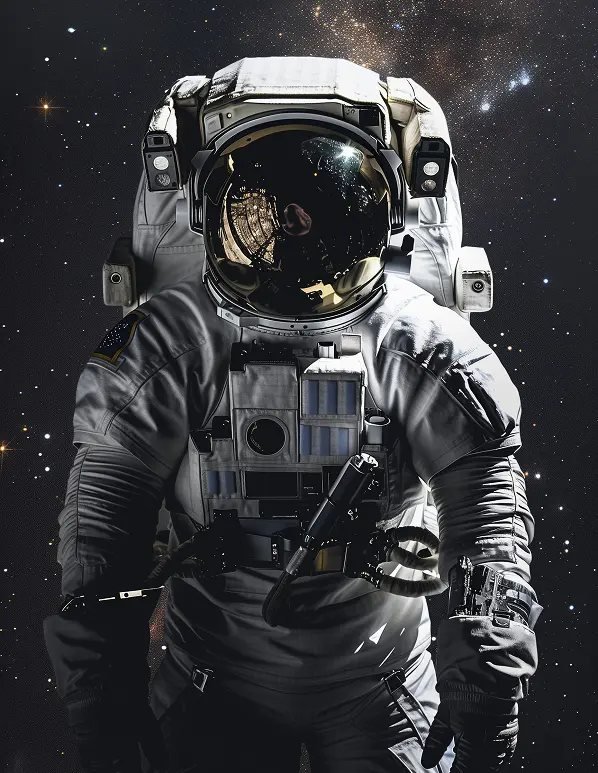
Astrobiology and Exoplanets
How life might arise and how we search for it. Covers extreme environments on Earth,
planets
around other stars and the ocean moons of our own Solar System.
Duration8 weeks
FormatLive online
Study time4 to 5 h per week
FeesPublished when enrolment opens
SYLLABUS
- What do we mean by life?
- Extremophiles and the limits of biology
- Detecting exoplanets: transits and radial velocity
- Planet atmospheres and biosignatures
- Habitable zones and their limits
- Europa, Enceladus and Titan
- The statistics of the search
- Capstone: rank candidate worlds for follow-up
WHAT YOU WILL BE ABLE TO DO
Read a transit light curve, assess the habitability of a candidate planet and discuss
biosignature claims with care.
ENROLMENT
SPACE 1 Certificate of Completion on passing. Rolling intake, with new cohorts announced
to
registered learners.
REGISTER FOR THIS
TRACK
 07 / LEARNING TRACK / Intermediate
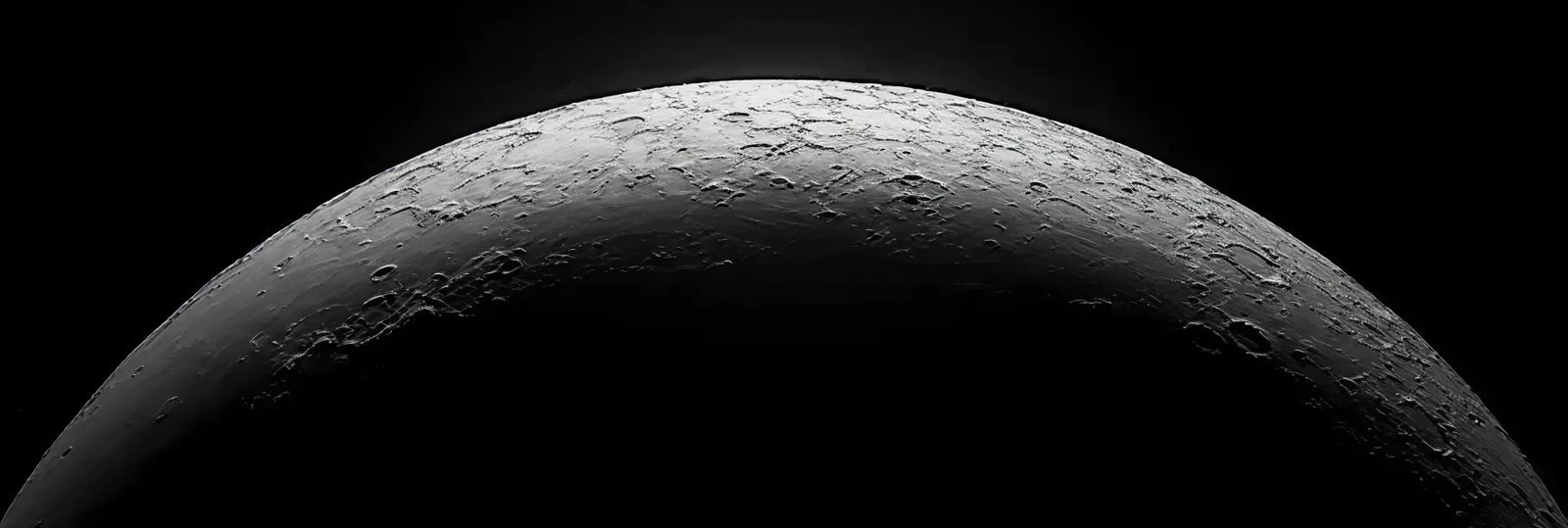
Human Spaceflight and Mars Exploration
How people live and work beyond Earth, and what it will take to send them to Mars.
Physiology, life support, mission design and ethics.
Duration8 weeks
FormatLive online + simulator
sessions
Study time4 to 5 h per week
FeesPublished when enrolment opens
SYLLABUS
- A short history of crewed flight
- Life support and closed-loop systems
- The human body in microgravity
- Radiation and the deep-space environment
- Mars: environment, sites and resources
- Mission architectures for Mars
- Psychology of long-duration missions
- Capstone: design a crewed surface mission
WHAT YOU WILL BE ABLE TO DO
Compare mission architectures, estimate consumables for a crew, and explain the main
risks
of a Mars mission.
ENROLMENT
SPACE 1 Certificate of Completion on passing. Rolling intake, with new cohorts announced
to
registered learners.
REGISTER FOR THIS
TRACK
 08 / LEARNING TRACK / Advanced
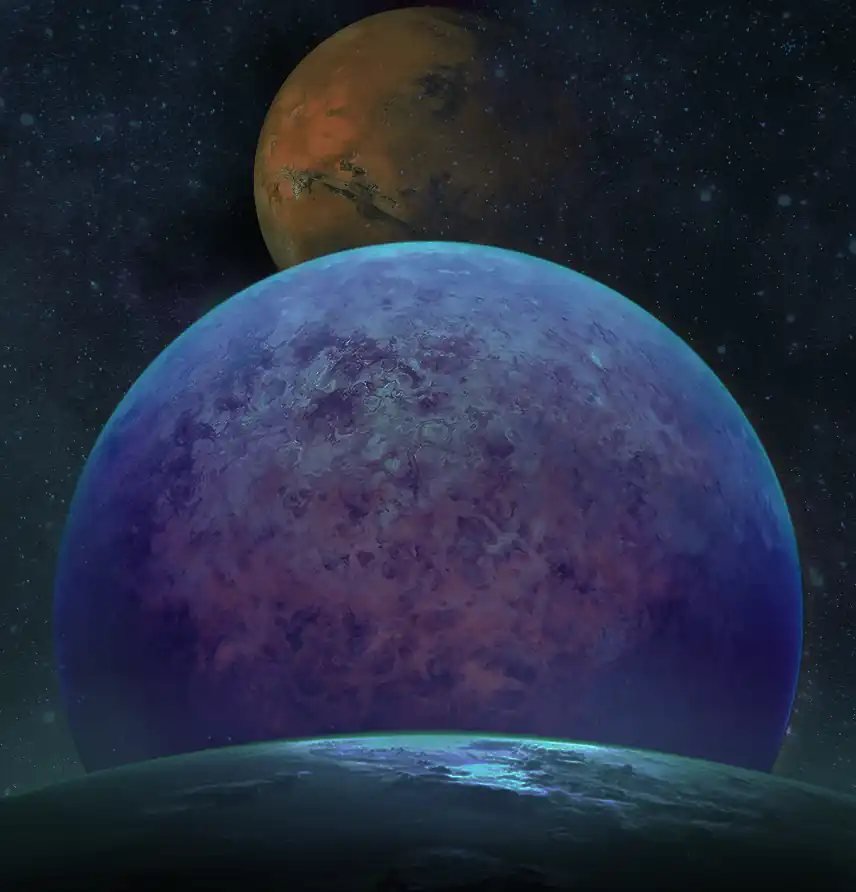
Space Resources and Asteroid Mining
Water ice, metals and regolith as the basis of a space economy. Geology, processing,
economics and the legal questions around owning what you extract.
Duration6 weeks
FormatLive online
Study time4 to 5 h per week
FeesPublished when enrolment opens
SYLLABUS
- Resource geology of the Moon and asteroids
- Water ice as propellant and life support
- Extraction and processing methods
- Logistics and the economics of mass
- Space law and resource rights
- Case studies from past and planned missions
WHAT YOU WILL BE ABLE TO DO
Build a first-order business and engineering case for a lunar or asteroid resource
operation.
ENROLMENT
SPACE 1 Certificate of Completion on passing. Rolling intake, with new cohorts announced
to
registered learners.
REGISTER FOR THIS
TRACK
 09 / LEARNING
TRACK / All levels
Space Sustainability
Orbits are a shared, finite resource. Study debris, traffic management, dark skies and
launch emissions, and learn how to design missions that leave space usable.
Duration6 weeks
FormatLive online + self-paced
Study time3 to 4 h per week
FeesPublished when enrolment opens
SYLLABUS
- Orbital debris and collision risk
- Space traffic management
- Dark skies and the astronomy community
- The environmental footprint of launch
- International frameworks and national policy
- Design for disposal and servicing
WHAT YOU WILL BE ABLE TO DO
Assess a mission’s debris risk and write a short policy brief with practical
recommendations.
ENROLMENT
SPACE 1 Certificate of Completion on passing. Rolling intake, with new cohorts announced
to
registered learners.
REGISTER FOR THIS
TRACK
 10
/ LEARNING TRACK / Intermediate
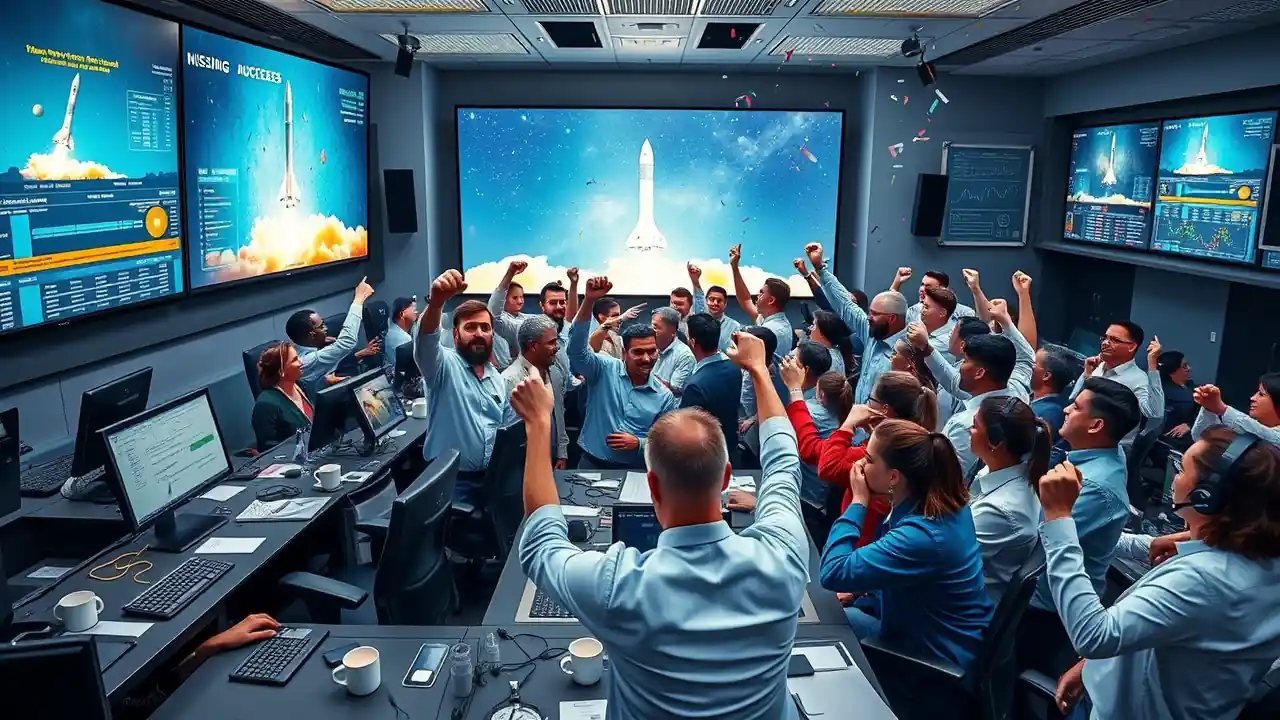
Space Entrepreneurship
For founders and intrapreneurs. Map the space economy, find problems worth solving,
understand licensing and funding, and pitch to a panel.
Duration8 weeks
FormatLive online + mentor clinics
Study time4 to 5 h per week
FeesPublished when enrolment opens
SYLLABUS
- Mapping the space economy
- Finding a problem and a customer
- Business models in space
- Regulation, licensing and insurance
- Funding routes and investor expectations
- Building a technical and commercial team
- Pitch preparation
- Capstone: pitch day with a mentor panel
WHAT YOU WILL BE ABLE TO DO
Present a fundable venture concept supported by a market model, a technical plan and a
regulatory checklist.
ENROLMENT
SPACE 1 Certificate of Completion on passing. Rolling intake, with new cohorts announced
to
registered learners.
REGISTER FOR THIS
TRACK